
Blog
How to Choose the Right Home Care Provider for Your Loved One
At Vitality Home Care, we believe informed families make confident decisions. Our blog provides expert-backed insights on senior care trends, in-home support strategies, caregiver wellness, safety tips, and aging-in-place solutions. Whether you’re exploring home care options or currently supporting a loved one, you’ll find practical guidance designed to bring clarity, comfort, and peace of mind.
Compassionate. Reliable. Professional. Trustworthy.
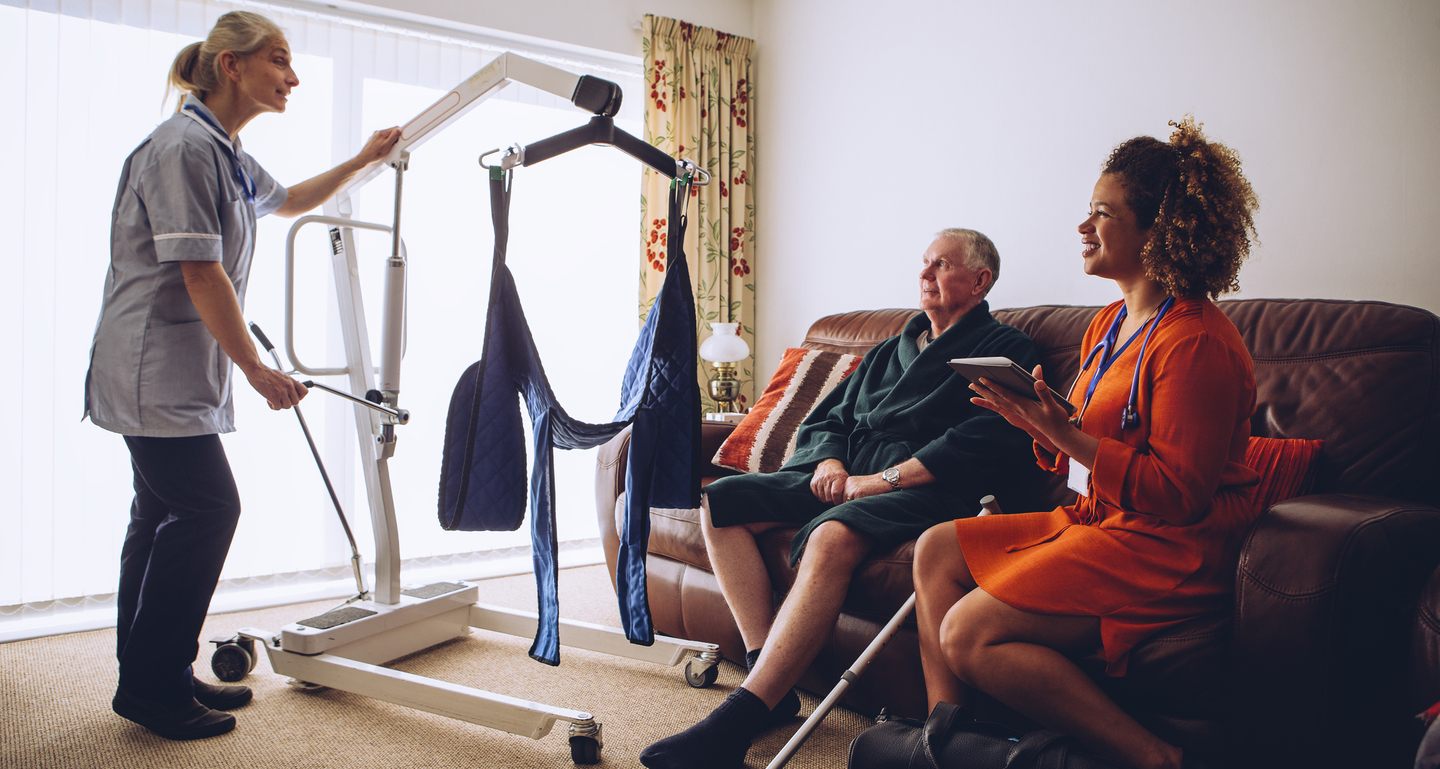
What Is a Hoyer Lift and Who Needs One? (A Safety Guide for NJ Families)
As a loved one’s mobility declines—whether due to advanced Parkinson’s, a severe stroke, or end-stage dementia—the simple act of moving from a bed to a wheelchair can become a major safety risk. For many caregivers in New Jersey, the physical strain of lifting a family member leads to back injuries and "caregiver burnout."
This is where a Hoyer Lift (or a mechanical patient lift) becomes an essential piece of medical equipment.
At Vitality Health Care, we prioritize the safety of both our clients and our caregivers. This guide explains how a Hoyer lift works, who needs one, and how to navigate the costs in New Jersey.
What is a Hoyer Lift?
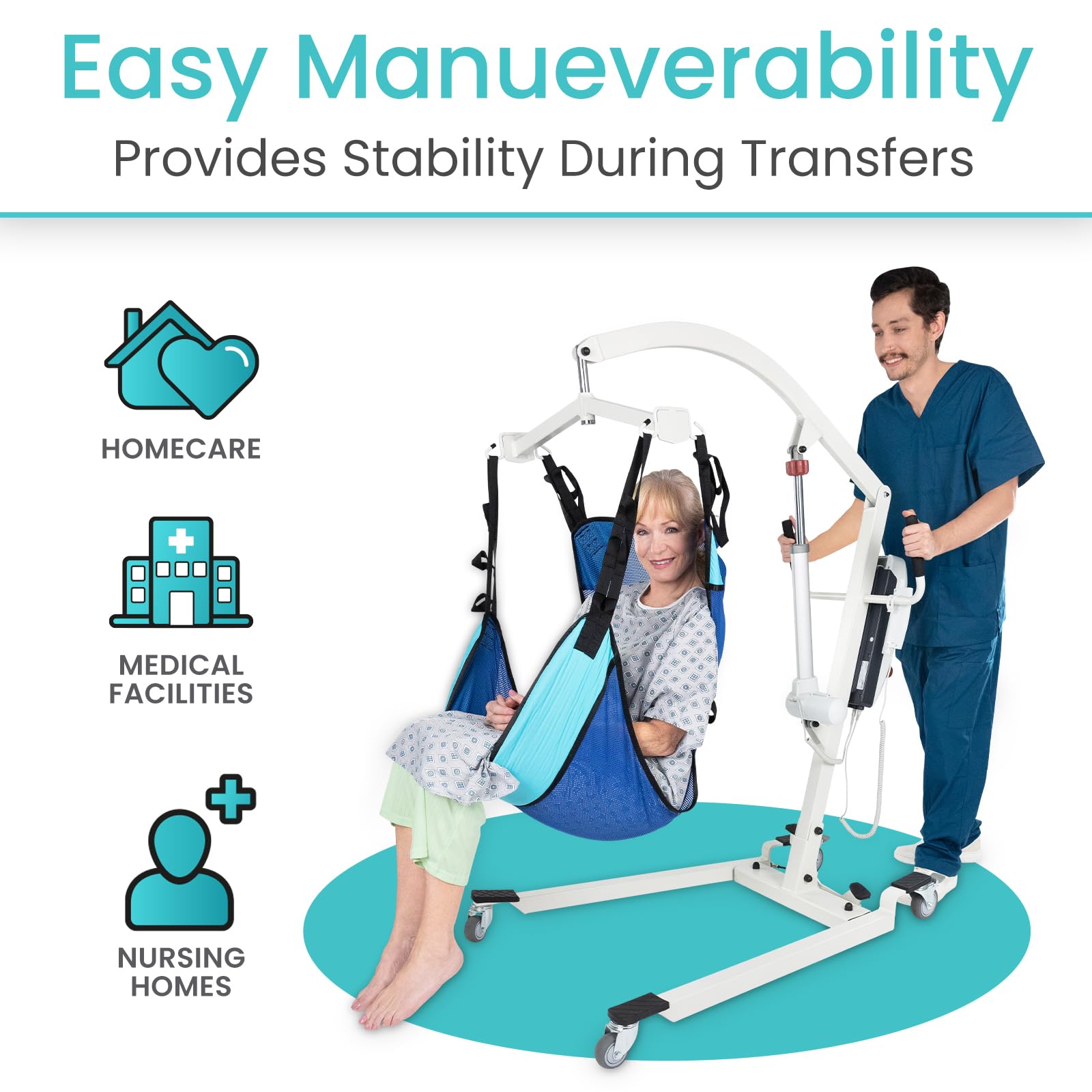
A Hoyer lift is a specialized medical device used to transfer individuals with limited mobility. It uses a sturdy steel frame, a hydraulic or electric "boom" (arm), and a fabric sling that cradles the patient.
By using a mechanical lift, a single caregiver can safely move a patient who cannot support their own weight, reducing the risk of falls for the senior and muscle strain for the caregiver.
Who Needs a Hoyer Lift at Home?
A lift is generally required when a patient is considered "total assist" or "non-weight bearing." Consider a Hoyer lift if your loved one:
Cannot stand or pivot their feet during a transfer.
Is at a high risk for skin tears during manual lifting.
Is recovering from a surgery that requires strict "no-weight" protocols.
Has reached a stage of illness where they can no longer follow directions for a safe manual transfer.
Does Medicare Cover a Hoyer Lift in New Jersey?
Yes, Medicare Part B covers 80% of the cost of a patient lift if it is considered "Durable Medical Equipment" (DME). To qualify in NJ, you must meet three criteria:
Doctor’s Order: Your physician must certify that the lift is medically necessary to prevent injury.
Medical Necessity: You must demonstrate that a manual transfer is no longer safe.
Approved Supplier: The lift must be purchased or rented from a Medicare-certified DME provider.
Note: The fabric "sling" is often sold separately, so ensure your doctor includes it in the prescription.
Essential Safety Protocols for Using a Lift
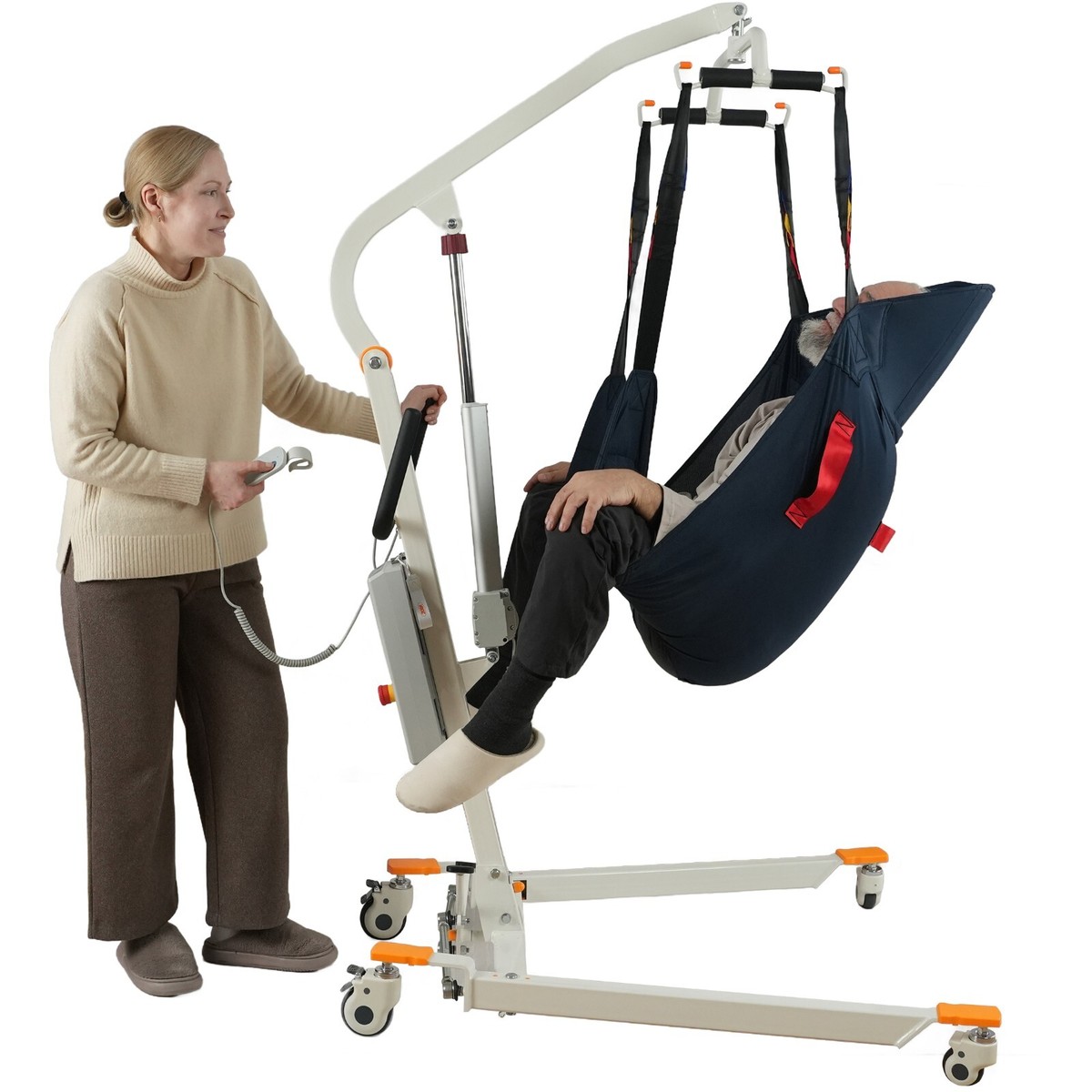
A Hoyer lift is a powerful tool, but it must be used correctly to prevent accidents. Our Certified Home Health Aides (CHHAs) follow strict safety protocols:
The Two-Person Rule: Whenever possible, it is safest to have two people present during a lift—one to operate the machine and one to guide the patient.
Check the Sling: Always inspect the fabric for frays or tears before every use. A compromised sling is a major risk of falling.
Base Position: When moving the lift, the "legs" (U-base) should be closed. When lifting the patient, the legs must be locked in the wide/open position for maximum stability.
Never Leave the Patient: Never leave a loved one suspended in the sling, even for a moment.
How Vitality Health Care Supports You
Transitioning to using a mechanical lift can be emotionally difficult for a senior. It can feel like a further loss of independence. Our team is trained not just in the mechanics of the equipment, but in the emotional support required to make the transfer a calm, dignified experience.
We work with families across Bergen, Essex, and Passaic Counties to coordinate with DME providers and ensure that your home environment is properly set up for a lift.
Does Your Home Have the Space for a Lift?
Not every bedroom is laid out for mechanical equipment. Schedule a Free Home Safety Assessment, and our RNs will help you determine if a Hoyer lift is right for your space and your loved one’s care plan.

Get Peace of Mind in Just One Phone Call
Vitality Health Care is committed to restoring your health, protecting your dignity, and giving your family peace of mind. One visit at a time.



At Vitality Health Care, we specialize in bringing hospital-level care into the comfort of your home. With compassion, precision, and dignity.
Quick links
Services


© *Vitality Health Care. 2026. All Rights Reserved.