
Home Care for Dementia: What Families Need to Know
Receiving a dementia diagnosis for a parent or spouse is a life-altering moment. In the beginning, the changes are subtle, a forgotten set of keys, a repeated story. But as the condition progresses, the "care gap" begins to widen, leaving family members exhausted and unsure of the next step.
In New Jersey, where many seniors take pride in "aging in place," the challenge is to balance their independence with the growing need for safety. This guide breaks down what dementia care looks like at every stage and how to know when it’s time to call in professional support.
Understanding the "Three Stages" of Home Care Needs
Dementia doesn't happen all at once. The care required in the early months is vastly different from what is needed years later.
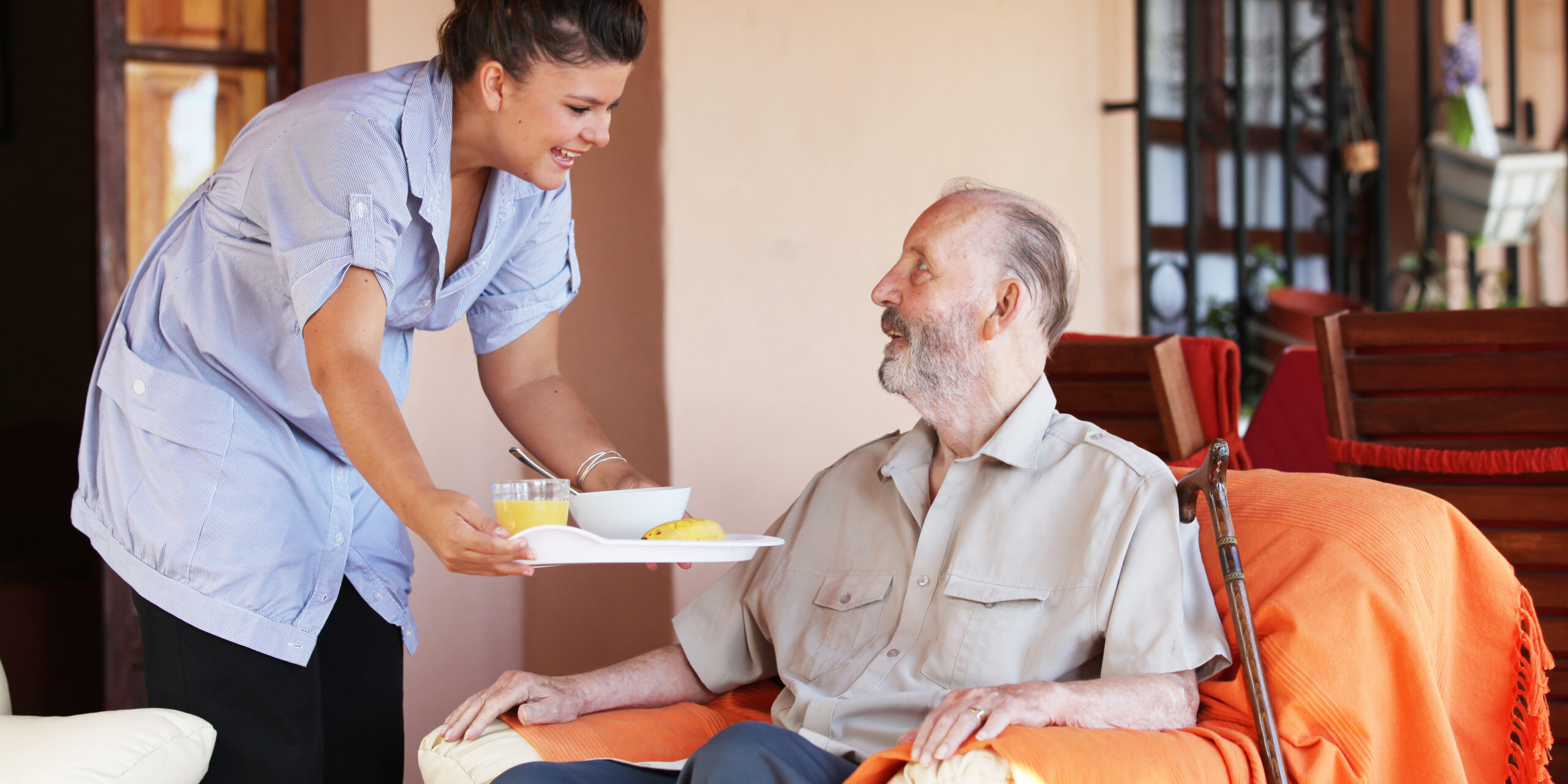
1. The Early Stage: Support and Planning
In the early stage, your loved one may still drive, cook, and manage their own schedule, but they are prone to "executive function" lapses.
The Goal: Maintaining autonomy while subtly introducing safety nets.
Home Care Role: Companion care. This might mean someone coming in twice a week to help with organization, meal prep, or driving to appointments in Union County.
Key Tipping Point: When "simple" tasks like paying bills or managing medications lead to errors
2. The Middle Stage: The "Safety First" Era
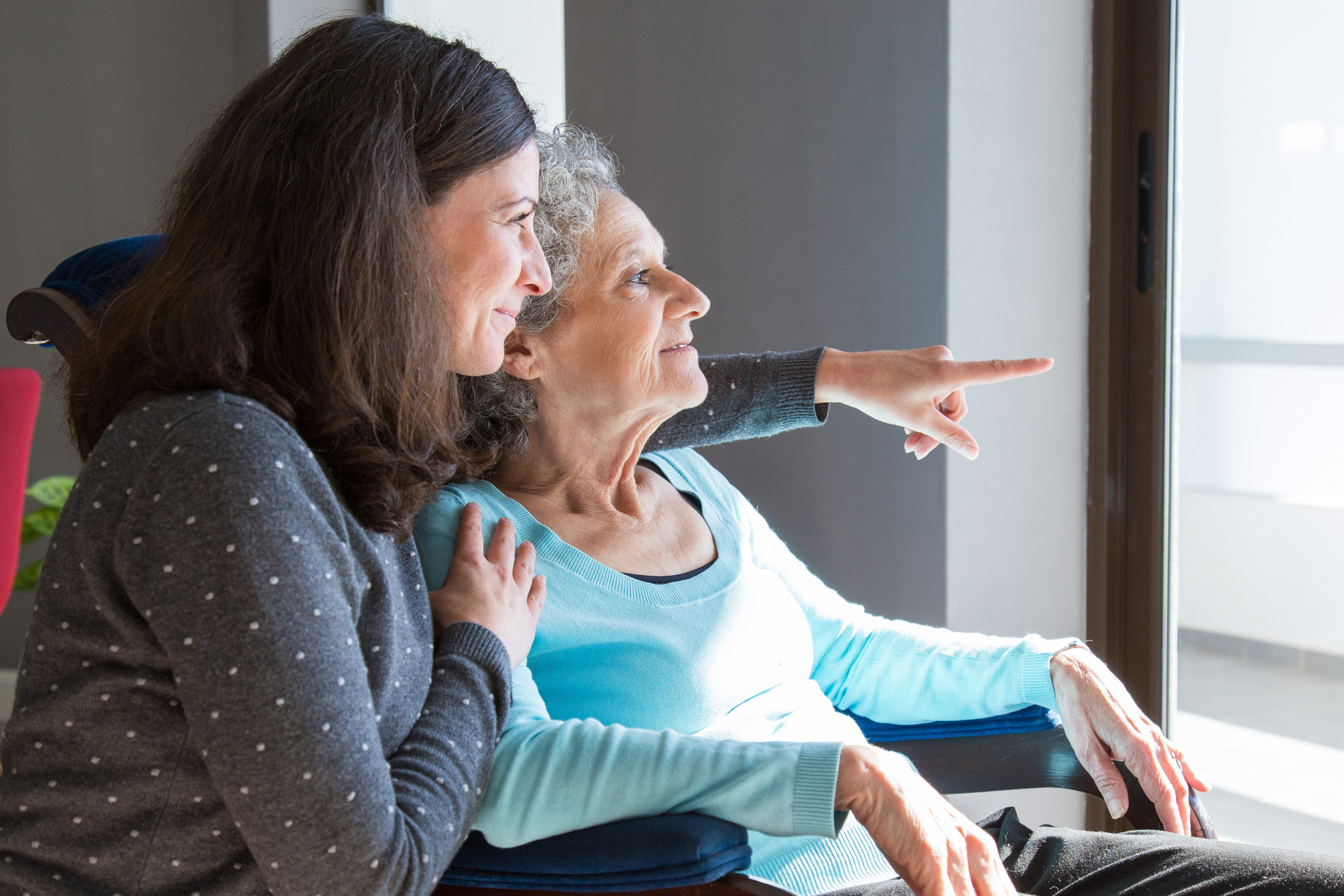
This is often the longest stage and the most taxing for family caregivers. Symptoms like wandering, "sundowning" (increased confusion at night), and personality changes become prominent.
The Goal: Preventing accidents and managing behavioral symptoms.
Home Care Role: Certified Home Health Aide (CHHA) support. At this stage, 8–12 hours of daily care (or live-in care) is often required to prevent falls or wandering.
Key Tipping Point: If the senior cannot be left alone for any period without a risk of a safety incident (e.g., leaving the stove on).
3. The Late Stage: 24/7 Monitoring and Comfort
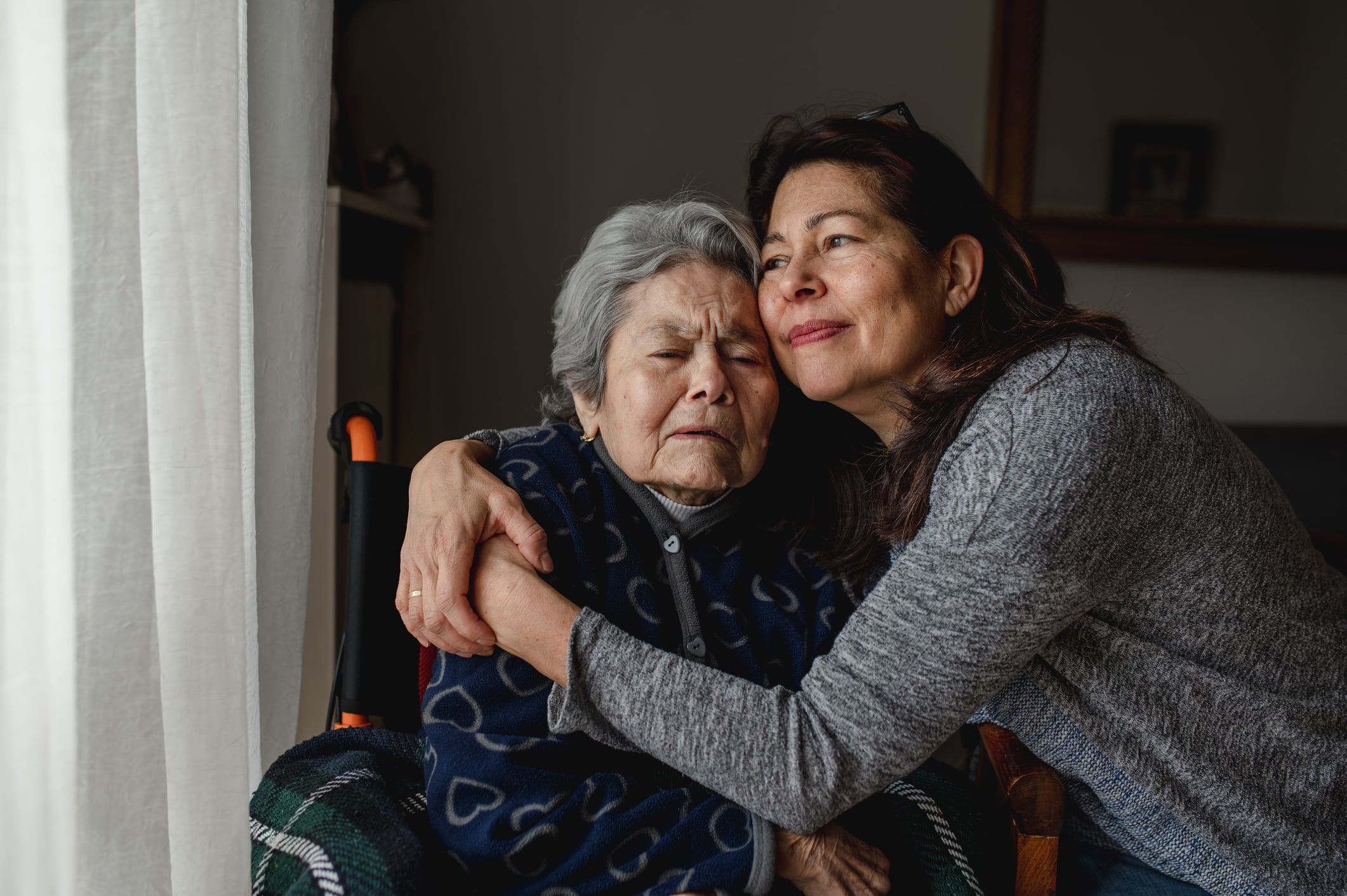
In the final stage, dementia affects physical abilities like walking, swallowing, and communication.
The Goal: Dignity, comfort, and total physical support.
Home Care Role: Intensive 24-hour care or Skilled Nursing. This involves total assistance with transfers, hygiene, and feeding.
Key Tipping Point: When the physical demands of lifting or bathing the senior become a health risk to the family caregiver.
When to Escalate: The "Dementia Safety Checklist"
If you are wondering if your current "patchwork" of family help is enough, ask yourself these four questions:
Is wandering an issue? Even one instance of a loved one getting "lost" in a familiar NJ neighborhood is a sign that 24/7 supervision is needed.
Are they "Sundowning"? If your parent becomes aggressive or terrified as the sun goes down, professional caregivers trained in dementia redirection can prevent a crisis.
Is the primary caregiver burnt out? If you are losing sleep or your own health is declining, the "care system" is failing.
Are medications being missed? Dementia makes it impossible to follow a complex medication schedule, which can lead to unnecessary hospitalizations.
Why Specialized Dementia Training Matters
Not all home care is created equal. A "standard" aide may not understand how to handle the repetitive questioning or the refusal to bathe that comes with dementia.
At Vitality Health Care, our dementia specialists are trained in validation therapy and redirection techniques. We focus on:
Routine Consistency: Dementia patients thrive on a predictable schedule.
Environmental Safety: Identifying "triggers" in the home that may cause confusion or falls.
Engaging the Mind: Using music, familiar photos, and tactile activities to maintain cognitive connection.
Conclusion: You Don’t Have to Do This Alone
Dementia is a long goodbye, but it doesn't have to be a lonely one. By bringing in professional help early, you aren't "giving up"—you are ensuring that your loved one stays safe in the home they love for as long as possible.
Whether you are in the early stages of a diagnosis or dealing with the challenges of late-stage care, Vitality Health Care is here to guide your family through the New Jersey home care system.
Does Your Loved One Need a Dementia Assessment?
Our RNs specialize in creating custom care plans for memory loss. Schedule a Free Dementia Care Consultation to discuss the stages of care and find a path forward.
