Stroke Recovery at Home: What Help is Needed?
A stroke is a sudden, life-altering event that leaves both the survivor and their family in a state of shock. When the hospital discharge papers are finally signed, a new challenge begins: rehabilitation at home.
In New Jersey, where we have world-class stroke centers such as Jersey City Medical Center and Valley Health, medical intervention is excellent. However, the true recovery happens in the weeks and months after discharge.
If you are wondering, "What help does my parent need after a stroke?", this guide outlines the physical, emotional, and environmental support required for a successful recovery.
1. The Clinical Side: Skilled Nursing and Therapy
Stroke recovery is a race against time. The first 90 days are the most critical for "neuroplasticity"—the brain’s ability to rewire itself.
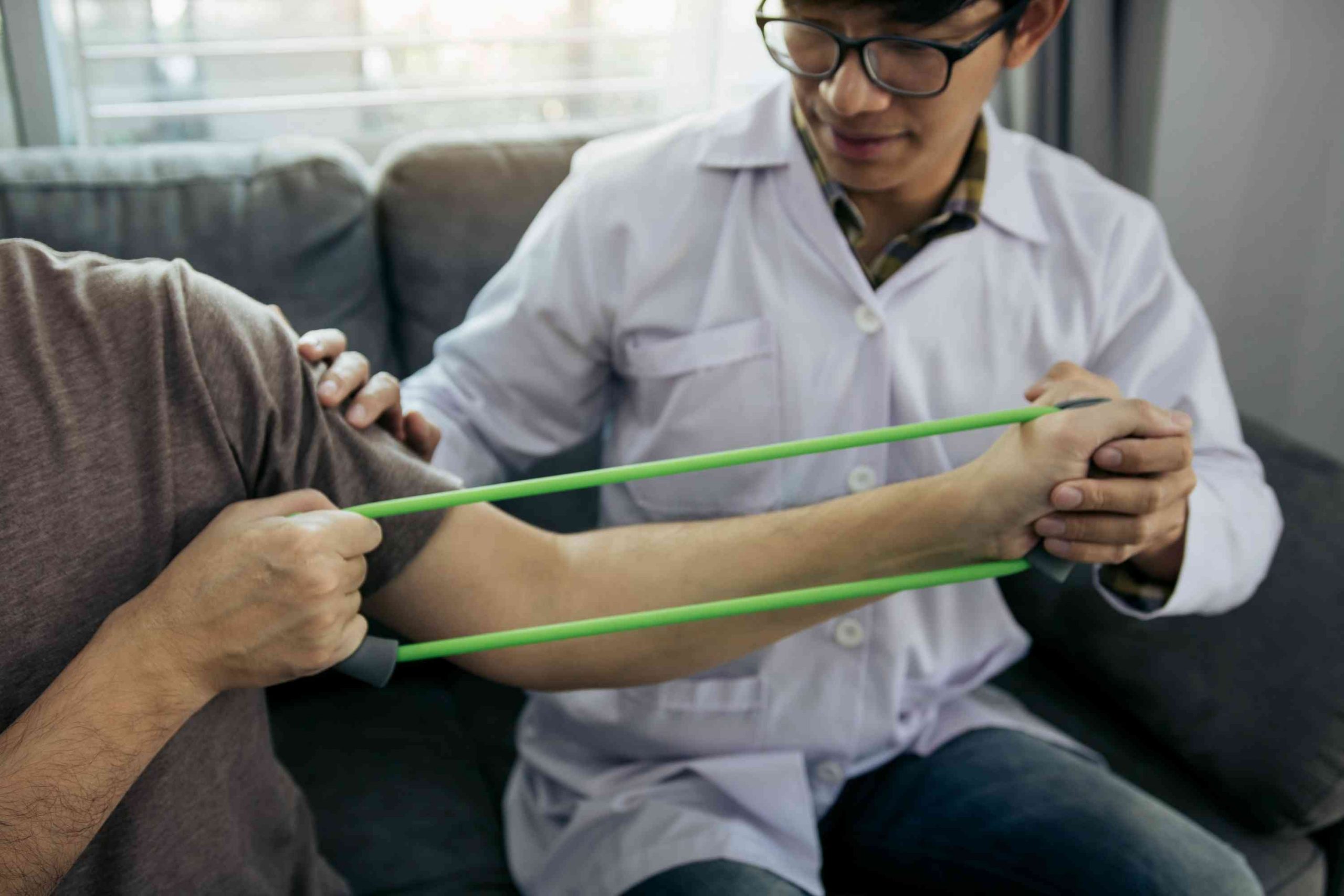
Physical & Occupational Therapy: You will likely have therapists visiting the home. Their job is to help your loved one relearn how to walk, swallow, and use their affected limbs.
Skilled Nursing: If your loved one is taking new blood pressure medications or blood thinners, an RN or LPN is essential to monitor for side effects and ensure there are no signs of a secondary stroke.
2. Daily Living: The Role of a Stroke-Trained Aide
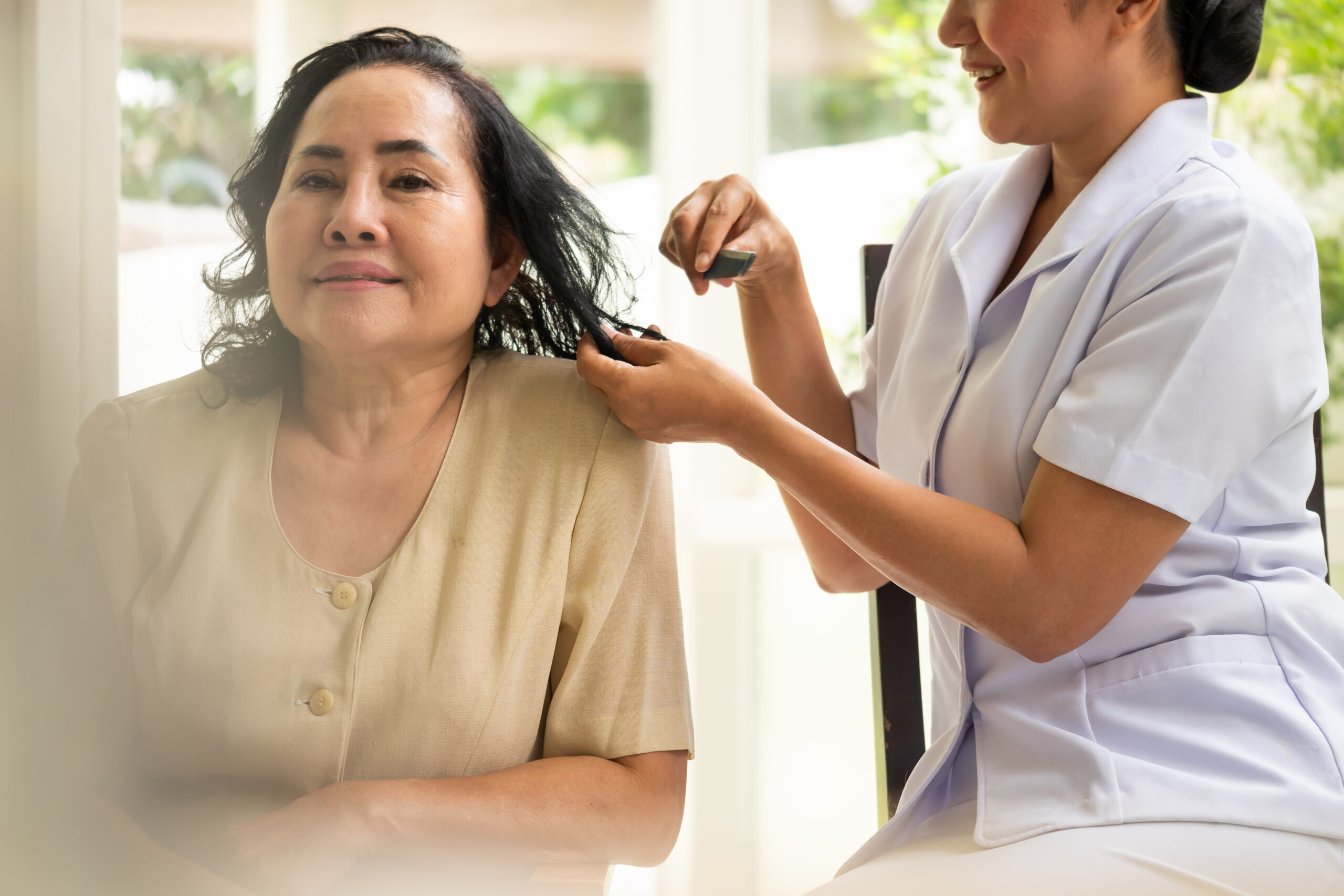
While therapists focus on "relearning," a Certified Home Health Aide (CHHA) focuses on "doing."
Safe Transfers: One-sided weakness (hemiparesis) makes getting out of bed or a chair a high-risk activity. Aides are trained in "pivot transfers" to keep both the senior and the caregiver safe from injury.
Aphasia and Communication: If the stroke affected speech, our aides use "low-tech" communication boards or tablets to reduce the frustration that often leads to depression.
Fall Prevention: We perform a "Safety Sweep" of your NJ home—removing throw rugs, clearing paths for walkers, and ensuring adequate lighting for someone with hemianopsia (potential vision loss).
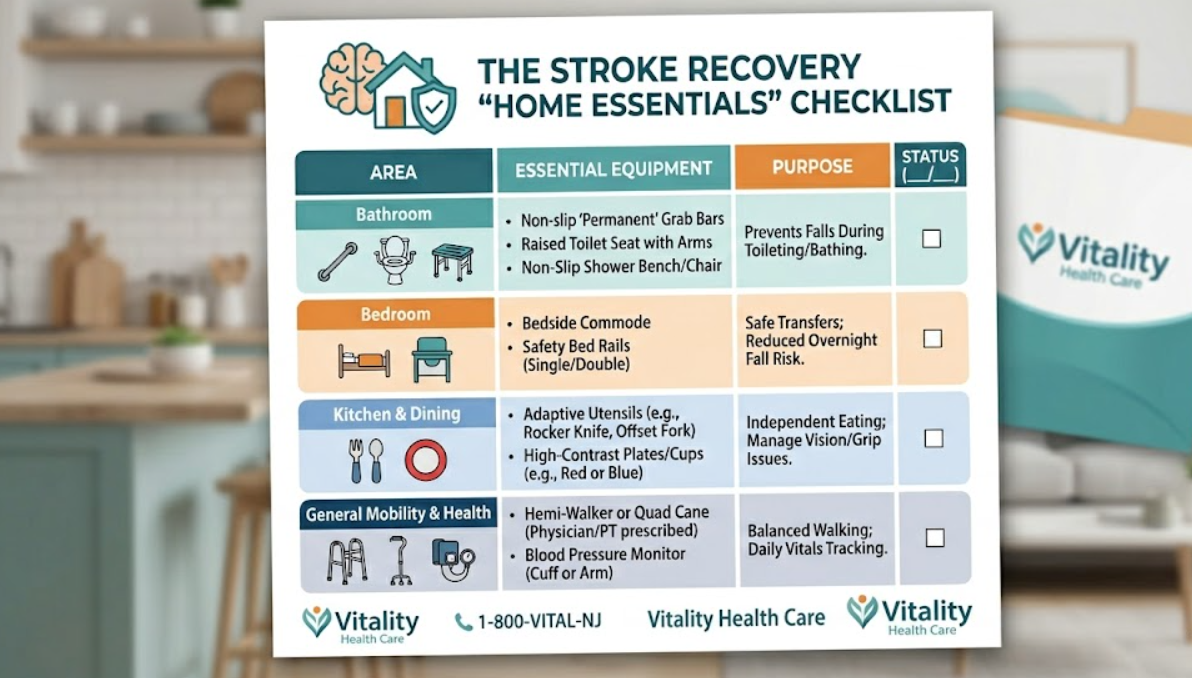
The Stroke Recovery "Home Essentials" Checklist
Before your loved one arrives home, ensure you have the following "Stroke-Proof" modifications in place:
3. The Emotional Journey: Managing "Post-Stroke Depression."
Up to 50% of stroke survivors experience clinical depression. It isn't just a reaction to the event; it's often a chemical change in the brain.
Signs to watch for: Social withdrawal, sudden irritability, or a refusal to participate in therapy.
How we help: Our aides provide vital companionship. By celebrating "small wins"—like a successful walk to the kitchen—they help rebuild the confidence that a stroke often steals.
4. Medication and Diet: Preventing the Second Stroke
The goal of stroke recovery isn't just getting better; it’s staying better.
The "MIND" Diet: Our aides help prepare meals rich in leafy greens, berries, and healthy fats, which are proven to support brain health.
Medication Adherence: Stroke survivors often have complex new drug regimens. Our aides provide the constant reminders necessary to ensure blood pressure stays within a safe range.
Conclusion: You Are the "Co-Captain," Not the Only Player
Caregiving after a stroke is an exhausting, 24/7 job. If you are trying to balance a career in Livingston or Morristown while managing a parent’s recovery, you are at a high risk for burnout.
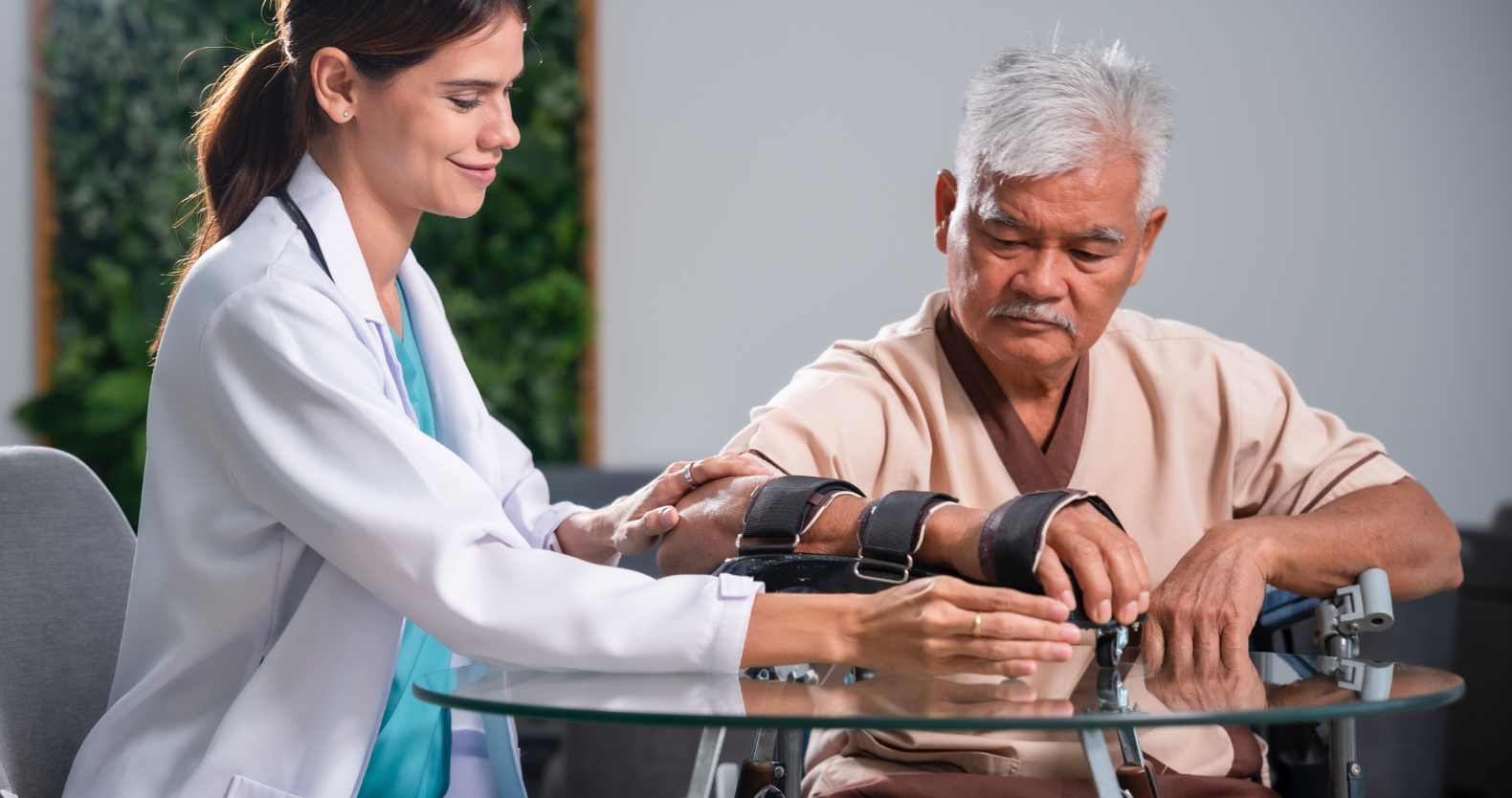
At Vitality Health Care, we specialize in Stroke Recovery Support. We work alongside your doctors and therapists to ensure the "Plan of Care" is followed every single day.
Start Your Recovery Journey Today
Don't wait for a fall or a medication error to realize you need help. Schedule a Free Stroke Care Assessment and let our RNs create a customized recovery roadmap for your home.
