What Is a Hoyer Lift and Who Needs One? (A Safety Guide for NJ Families)
As a loved one’s mobility declines—whether due to advanced Parkinson’s, a severe stroke, or end-stage dementia—the simple act of moving from a bed to a wheelchair can become a major safety risk. For many caregivers in New Jersey, the physical strain of lifting a family member leads to back injuries and "caregiver burnout."
This is where a Hoyer Lift (or a mechanical patient lift) becomes an essential piece of medical equipment.
At Vitality Health Care, we prioritize the safety of both our clients and our caregivers. This guide explains how a Hoyer lift works, who needs one, and how to navigate the costs in New Jersey.
What is a Hoyer Lift?
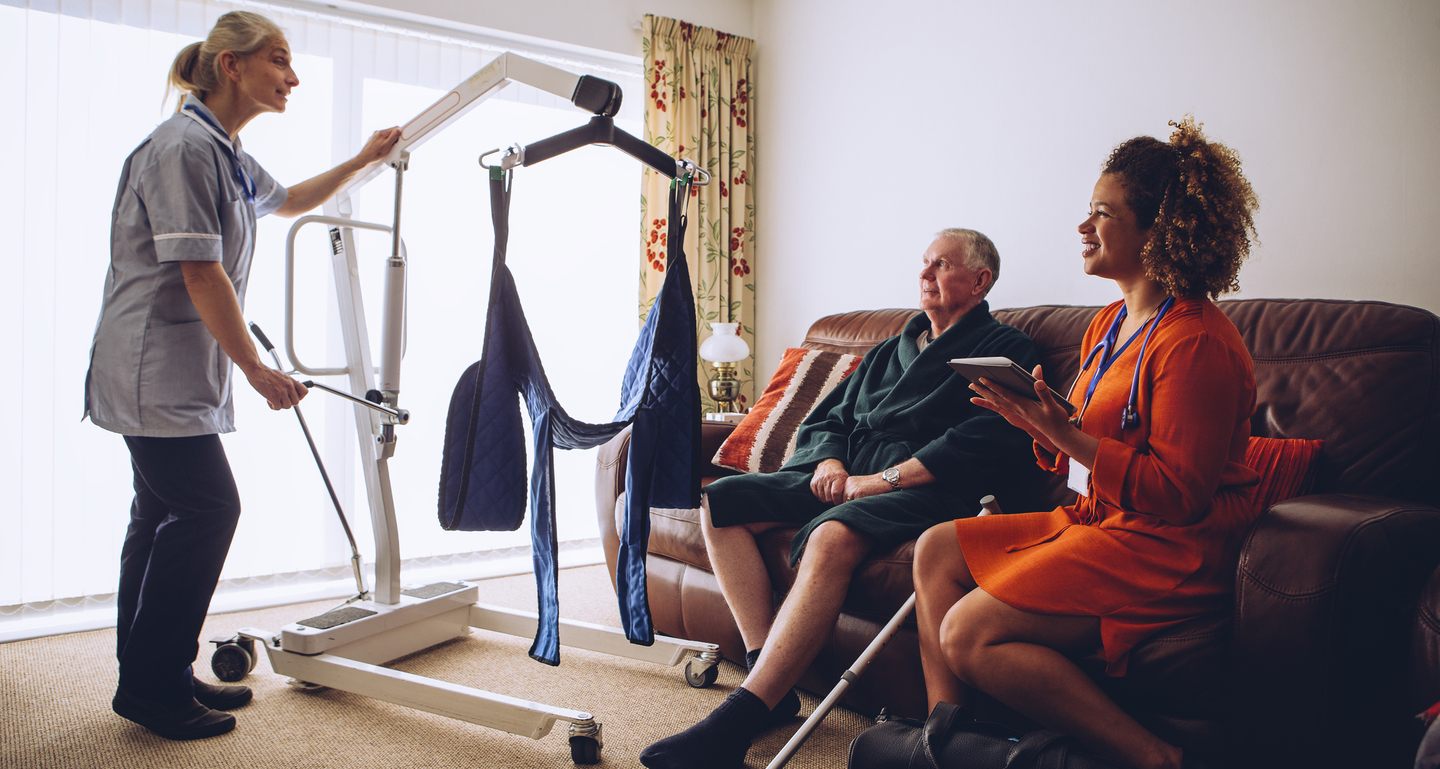
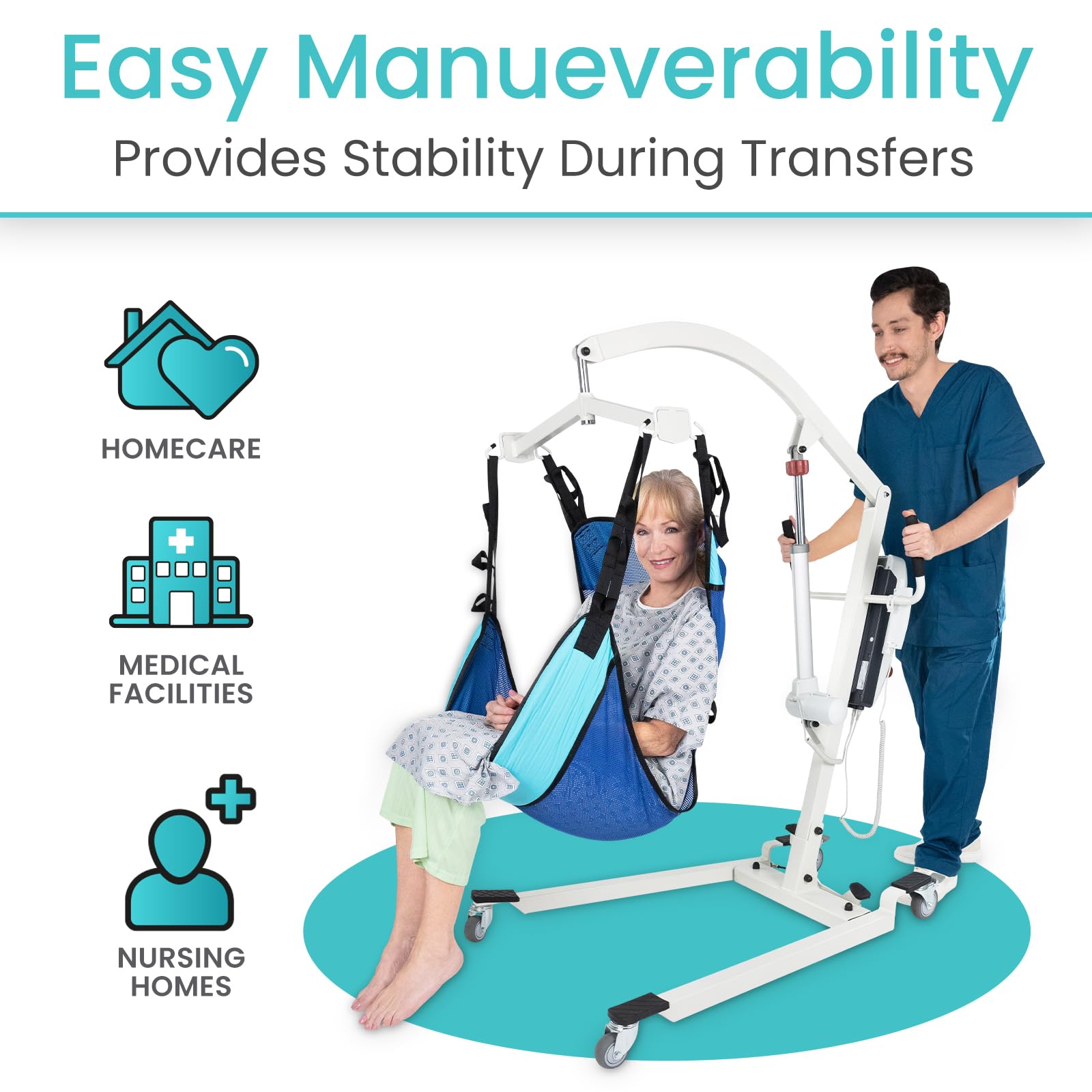
A Hoyer lift is a specialized medical device used to transfer individuals with limited mobility. It uses a sturdy steel frame, a hydraulic or electric "boom" (arm), and a fabric sling that cradles the patient.
By using a mechanical lift, a single caregiver can safely move a patient who cannot support their own weight, reducing the risk of falls for the senior and muscle strain for the caregiver.
Who Needs a Hoyer Lift at Home?
A lift is generally required when a patient is considered "total assist" or "non-weight bearing." Consider a Hoyer lift if your loved one:
Cannot stand or pivot their feet during a transfer.
Is at a high risk for skin tears during manual lifting.
Is recovering from a surgery that requires strict "no-weight" protocols.
Has reached a stage of illness where they can no longer follow directions for a safe manual transfer.
Does Medicare Cover a Hoyer Lift in New Jersey?
Yes, Medicare Part B covers 80% of the cost of a patient lift if it is considered "Durable Medical Equipment" (DME). To qualify in NJ, you must meet three criteria:
Doctor’s Order: Your physician must certify that the lift is medically necessary to prevent injury.
Medical Necessity: You must demonstrate that a manual transfer is no longer safe.
Approved Supplier: The lift must be purchased or rented from a Medicare-certified DME provider.
Note: The fabric "sling" is often sold separately, so ensure your doctor includes it in the prescription.
Essential Safety Protocols for Using a Lift
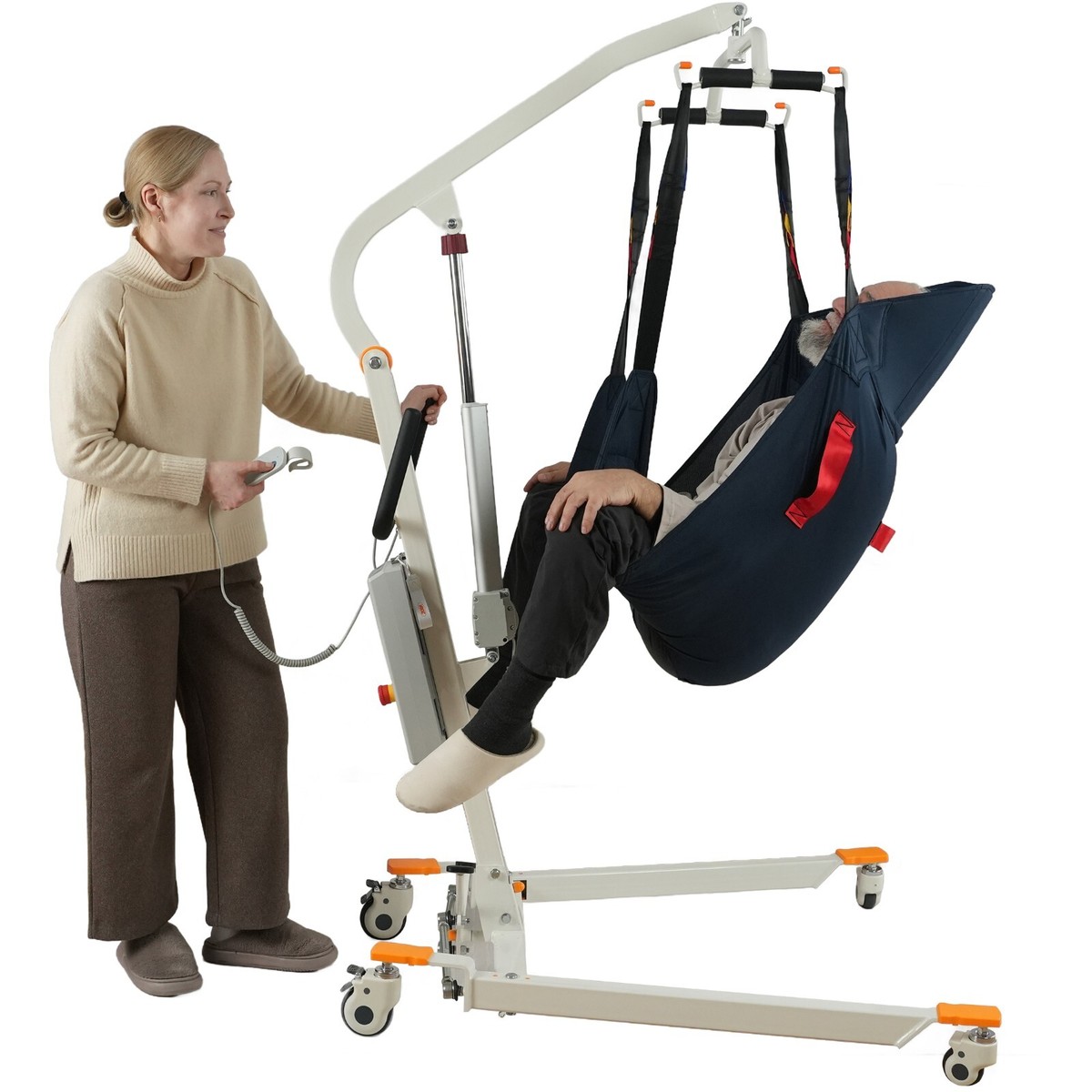
A Hoyer lift is a powerful tool, but it must be used correctly to prevent accidents. Our Certified Home Health Aides (CHHAs) follow strict safety protocols:
The Two-Person Rule: Whenever possible, it is safest to have two people present during a lift—one to operate the machine and one to guide the patient.
Check the Sling: Always inspect the fabric for frays or tears before every use. A compromised sling is a major risk of falling.
Base Position: When moving the lift, the "legs" (U-base) should be closed. When lifting the patient, the legs must be locked in the wide/open position for maximum stability.
Never Leave the Patient: Never leave a loved one suspended in the sling, even for a moment.
How Vitality Health Care Supports You
Transitioning to using a mechanical lift can be emotionally difficult for a senior. It can feel like a further loss of independence. Our team is trained not just in the mechanics of the equipment, but in the emotional support required to make the transfer a calm, dignified experience.
We work with families across Bergen, Essex, and Passaic Counties to coordinate with DME providers and ensure that your home environment is properly set up for a lift.
Does Your Home Have the Space for a Lift?
Not every bedroom is laid out for mechanical equipment. Schedule a Free Home Safety Assessment, and our RNs will help you determine if a Hoyer lift is right for your space and your loved one’s care plan.
